Live in: ON | Soon: BC, AB 🇨🇦
.avif)

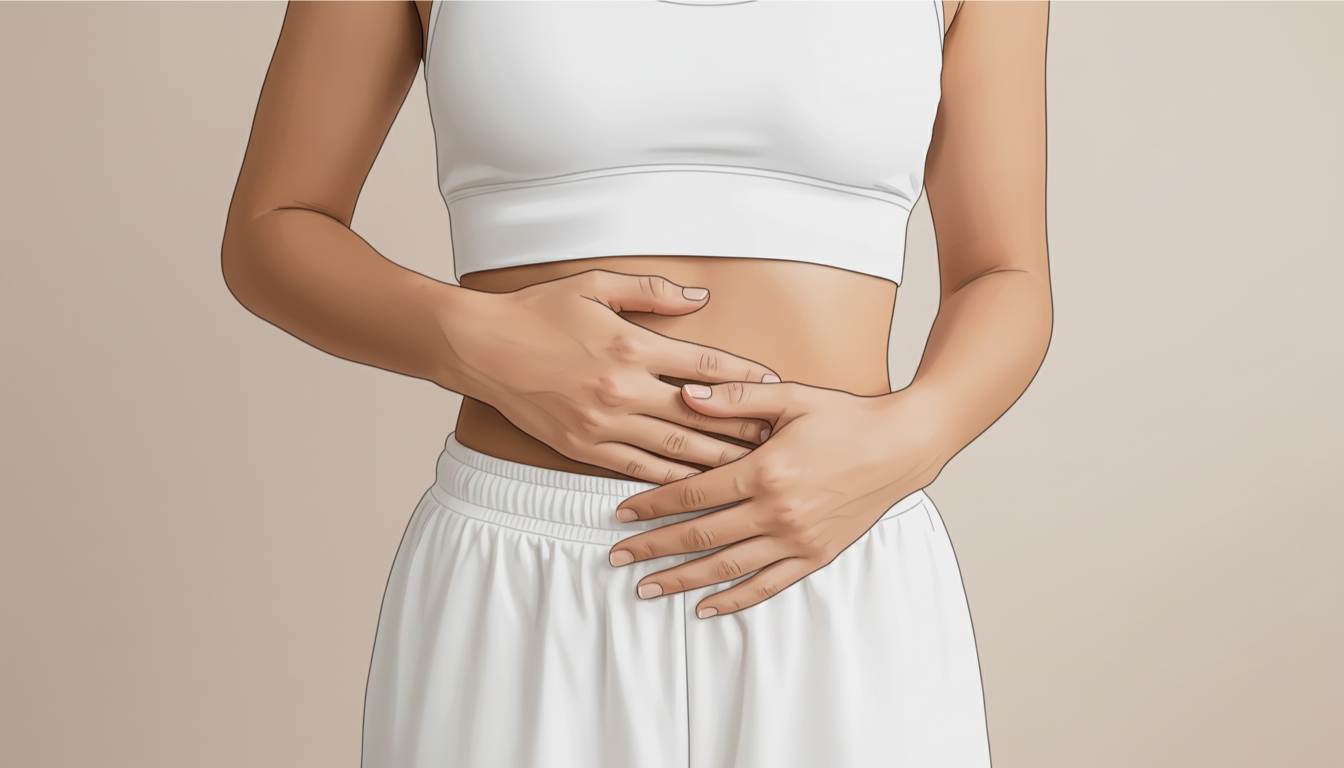



We’ve all been there — that uncomfortable, puffy feeling that makes you want to change into sweatpants immediately after eating. Occasional bloating happens to everyone, but when it becomes a regular guest at the dinner table, it’s often your body’s way of saying “hey, something’s off.”
Let’s unpack what your bloating might really be trying to tell you — because it’s rarely just about food.
Hormones play a major role in digestion and water retention — meaning your cycle can directly affect how bloated you feel.
The fix:
Balancing your hormones through personalized care — like optimizing progesterone and estrogen ratios, managing stress, and supporting thyroid health — often reduces bloating naturally.
Your gut microbiome — the ecosystem of bacteria in your intestines — has a huge impact on how your body digests and processes food.
When there’s an imbalance (called dysbiosis), your gut can overproduce gas, struggle to break down certain foods, and even trigger immune responses that lead to inflammation and bloating.
Common triggers include:
The fix:
Support your gut with probiotic foods (like kefir, sauerkraut, or kimchi), fiber, and stress management. Sometimes, targeted supplementation or professional testing can help identify bacterial imbalances or SIBO (small intestinal bacterial overgrowth).
Sometimes, bloating is your body’s way of flagging certain foods it doesn’t digest well. Lactose, gluten, and FODMAP-rich foods (like garlic, onions, and beans) are common offenders — especially when your gut or hormones are already imbalanced.
The fix:
Keep a short-term food and symptom diary to identify patterns. If bloating consistently follows certain meals, it may be worth exploring food sensitivities or enzyme support with a clinician.
Your digestive system doesn’t work in isolation — it’s deeply connected to your nervous system and daily habits.
The fix:
Move daily, hydrate well, and prioritize rest — your gut (and waistline) will thank you.
Bloating isn’t something you just have to “deal with.” It’s a signal — often pointing toward underlying hormonal, gut, or lifestyle imbalances. Once you uncover what your body is trying to tell you, you can finally start feeling light, energized, and at ease again.
Book a virtual consult with one of our hormone-focused Nurse Practitioners — and get a personalized plan to restore balance from the inside out.

.avif)
.avif)
.avif)