Live in: ON | Soon: BC, AB 🇨🇦
.avif)

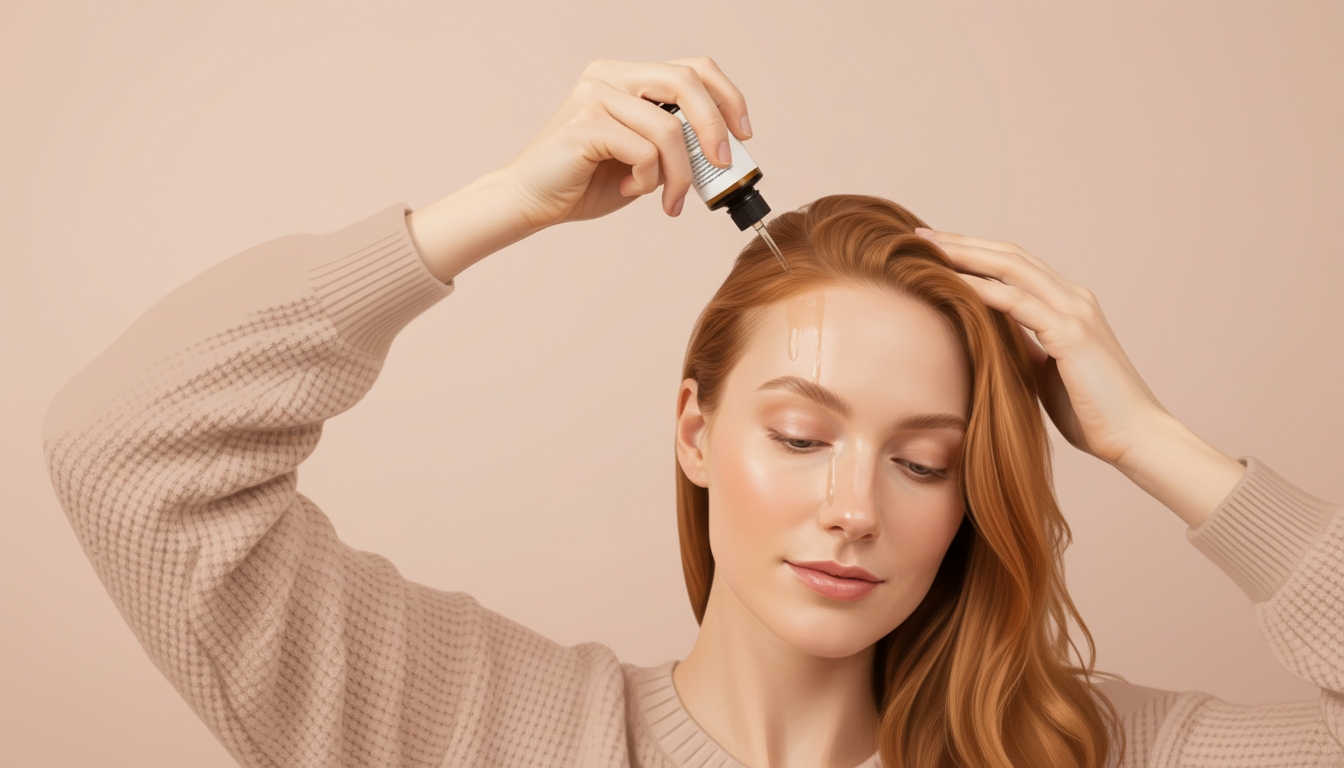



Hair thinning or slowing growth can be a frustrating side-effect of hormone imbalance, especially for women dealing with conditions like Polycystic Ovary Syndrome (PCOS), low estrogen, thyroid issues or elevated androgens. While hair loss often signals something deeper, the right products can absolutely support your journey — helping improve density, protect what’s left, and support the scalp + follicles while your hormone care is underway.
In this article we’ll cover:
In conditions like PCOS, high androgens can shrink hair follicles and shorten the growth phase of your hair cycle — resulting in thinner, weaker hair over time (often around the crown or temples).
These hormones help keep hair in its growing phase. When levels dip — such as during perimenopause or after birth control changes — hair may shed more, slow in growth, or feel fine and limp.
An underactive (hypothyroid) or overactive (hyperthyroid) thyroid disrupts your metabolism — including how your body grows and maintains hair. Hair shedding or slower growth are common alongside fatigue, weight change or skin shifts.
Chronic stress elevates cortisol, which can push follicles into the “resting” phase (telogen) prematurely — meaning more shedding and slower regrowth than usual.
Even if hormone levels are “normal,” poor nutrient absorption, low iron, zinc or vitamin D can sabotage hair growth and health. Gut imbalances may also alter hormone metabolism, indirectly affecting your hair.
Here are the products we recommend for hormone-related hair loss — each serving a different role in your hair care ecosystem. Use them alongside your hormone treatment plan for best results.
Using a scalp massager (manual or electric) for a few minutes daily helps increase blood circulation, boost follicle health and support growth. Aim for at least 3–5 minutes / day.
Why it works: Better circulation means more nutrients reach follicle roots; gentle stimulation supports growth and keeps the scalp healthy.
Microneedling the scalp (using a stamper rather than needles for home use) helps initiate collagen production and improve absorption of peptides. Follow with a peptide-rich serum like The Ordinary’s hair serum to support follicle health and prolong growth.
Why it works: Combines mechanical stimulation (microneedling) + active ingredients for targeted follicle support.
Protecting your hair while you sleep reduces breakage, friction and hair fall that comes from tossing/turning. Choosing a silk or satin bonnet helps preserve your strands, especially during hormone treatment when growth may be slower.
Why it works: Less breakage = less thinning. Protect what you have while you rebuild.
Over time, product residue and minerals from hard water can clog hair follicles and dull your strands. Using an exfoliating or clarifying shampoo once a week helps clear away buildup, refresh your scalp, and create the perfect environment for new growth.
Why it works: A clean, balanced scalp allows follicles to breathe and absorb nutrients from your growth serums more effectively.
Hair thinning isn’t just cosmetic — it’s often a visible signal of deeper hormonal imbalance or metabolic stress. Using the right products supports your journey, but the foundation always remains hormone health. If you’re noticing persistent thinning, slowing growth or widespread shedding, reserve time to look at hormone labs, thyroid panels and nutrient status — because what’s going on inside shows up outside.
At HorminaCare, our Nurse Practitioners specialize in women’s hormone health. We’ll help you uncover what’s really going on and create a treatment plan that helps your hair — and your hormones — thrive.

.avif)
.avif)
.avif)